Is activated charcoal good for IBS-D?

Medically reviewed by Dr. Dan Wool, NMD
Arizona-licensed Naturopathic Physician and Gastroenterology Specialist
Updated: November 15, 2025
Summary:
- Understanding IBS-D and Its Causes: IBS-D (Irritable Bowel Syndrome with Diarrhea) is a chronic digestive condition marked by loose stools, cramping, gas, and abdominal discomfort. As a “diagnosis of exclusion,” IBS-D is identified when other causes of diarrhea—such as infections or food poisoning—are ruled out.
- Activated Charcoal: A Natural Option for Gut Relief: Activated charcoal is a porous form of carbon that binds toxins and gases in the digestive tract. Traditionally used for poison control, it’s now being studied for IBS-D symptom management, including bloating, diarrhea, and pain reduction.
- Activated Charcoal and IBS-D - Research-Backed Results: Clinical trials show activated charcoal can improve well-being, reduce bloating, and help regulate stool frequency in IBS-D patients, with few reported side effects.
- Activated Charcoal: IBS-D Treatment Considerations: While generally safe, activated charcoal can interfere with medication absorption and cause constipation. Always consult a qualified healthcare or naturopathic doctor before long-term use for IBS-D.
Explore the potential benefits of activated charcoal as a natural treatment for IBS-D symptoms. Discover how it may aid digestive health and lead to more permanent resolution of this frustrating condition..
What is Irritable Bowel Syndrome?
Irritable bowel syndrome (IBS) is quite a common condition that affects the stomach and intestines. It presents with belly aches, bloating, cramping, gas, diarrhea, constipation, or both. Having some of the symptoms doesn’t mean that you suffer from IBS, so it needs to be diagnosed by a professional and managed long-term.
There are 3 different sub-types of IBS based on the bowel movement that the person is experiencing:
- Irritable Bowel Syndrome with diarrhea (IBS-D or IBS-diarrhea),
- Irritable Bowel Syndrome with constipation (IBS-C or IBS-constipation) and,
- Irritable Bowel Syndrome mixed (IBS-M or IBS-mixed).
IBS-D: A "Diagnosis of Exclusion"
Importantly, IBS is a "diagnosis of exclusion". Diarrhea itself typically has a specific cause such as illness or food poisoning, so when gastroenterologists can't identify another cause for chronic diarrhea, they often diagnose it as IBS-D.
While there are emerging medications and other supportive medical treatments for IBS-D, this "exclusion" can feel vague and somewhat hopeless for patients as the condition becomes chronic. This is excellent place for naturopathic medicine, which takes a bigger picture approach and utilizes time-tested natural interventions, including, at times, activate charcoal.
What are the symptoms of IBS-D?
Focusing on IBS-D, patients with this sub-type of IBS usually experience diarrhea (loose or liquid stools), alongside abdominal pain and discomfort, gassiness, and sudden urges to empty the bowel.
Symptoms of IBS are uncomfortably rarely severe and can usually be controlled by diet and lifestyle adjustments and stress management. However, when the symptoms become more frequent and severe, medicine and/or naturopathic remedies might be needed and a treatment plan needs to be put in place by a qualified specialist. The good news about IBS is that it doesn't provoke changes in bowel tissue or increase your risk of developing colorectal cancer.
What is Activated Charcoal?
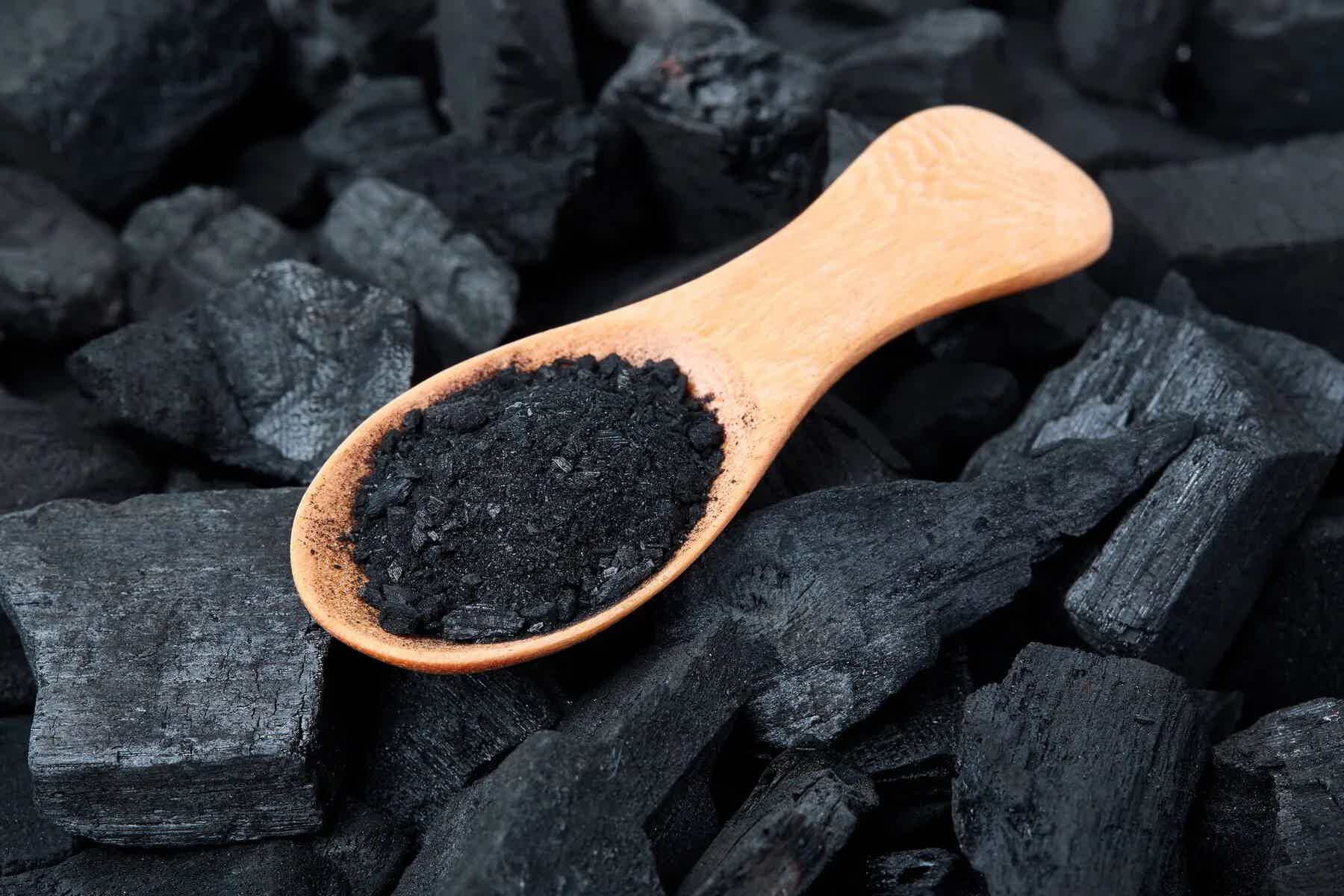
Activated charcoal is a form of carbon that has been processed to form pores that increase the surface area available for adsorption or chemical reactions.
It is often burnt-up fiber from natural sources such as peat, coal, wood, coconut shells, or petroleum are used as material for producing activated charcoal.
Its unique porous property makes activated charcoal effective for medical use, particularly when treating poisonings and overdoses. It can adsorb toxins and drugs, stopping them from being absorbed into the gastrointestinal tract. It is used in emergency trauma centers worldwide.
Apart from its use in acute medical situations, activated charcoal can also help with various other health conditions such as reducing bloating and gas, lowering cholesterol levels, treating bile flow problems during pregnancy, and even preventing hangovers.
When considering activated charcoal for conditions like IBS-diarrhea, it’s crucial to consult with a healthcare provider. They can give you tailored advice and ensure that any treatment plan is safe and appropriate for your specific needs.
With ongoing research, healthcare professionals stay informed about the latest developments and can offer the best options for managing your IBS.
What are typical IBS-D medical treatment options?

For many people talking about IBS-diarrhea and the associated symptoms might feel uncomfortable. However, you must let your doctor know about these.
One of the first things that a physician might suggest is to change your diet. If symptoms don’t go away or get worse, the next step is usually medication which might include any or a combination of the following:
- OTC meds are most commonly recommended first. These might include anti-diarrheal drugs such as Imodium-AD (loperamide) or Pepto Bismol (bismuth). Neither are optimal for long-term use but are good symptom relievers until root cause can be identified and treated.
- Diphenolylate-atropine (Lomotil, Lenox) - are a combination of anti-spasmodics that are prescribed for various diarrhea types. This helps to control (or slow down) the frequency of passing a stool.
- Dicyclomine (Bentyl) - is another anti-spasmodic drug combo that is often prescribed to IBS-D sufferers. It can be particularly effective to relieve gut cramping pains and spasm, which in turn reduces still frequency. It does not address any underlying problem but can give effective symptom relief until that gets fully managed.
- Rifaximin (Xifaxan) - according to some experts IBS-D might be caused by too much bacteria in the small intestine, a condition known as SIBO (Small Intestine Bacterial Overgrowth). Rifaximin is an FDA-approved antibiotic for IBS-D that balances the volume of bacteria in your intestines to a healthy level. It can also help with stomach pain and diarrhea. A lactulose breath test is often required to determine whether or not the SIBO exists. Rifaximin is effective for IBS-D form SIBO since the antibiotic dissolves in the small intestine where the overgrowth is occurring, so it does not typically have the detrimental microbiome effects in the large intestine/colon that traditional antibiotics might. Treatment usually lasts for between 2 weeks and 6 months and can be repeated under medical supervision, if necessary.
- Eluxadoline (Viberzi/Truberzi) - this medication sends signals to your nervous system to stop bowel spasms which can also ease belly cramps and diarrhea. It’s best taken regularly for as long as your doctor recommends.
- Bile acid sequestrants - some doctors might also recommend bile-acid binders like Cholestyramine off label to help bulk stool and slow motility; these are used when doctors suspect diarrhea from bile acid malabsorption (BAM), but can be helpful to help you pass a more solid stool.
- Low-dose antidepressants are another off-label prescription that gets employed for IBS-diarrhea. These can weaken the pain signals your gut sends to your brain and can also improve the diarrhea symptoms by slowing the flow of food through the digestive tract. Many anti-depressants help the body hold on to serotonin, which is dominant in the gut, and it is thought these meds help with potential neurotransmitter irregularities.
What does the research say about Activated charcoal and IBS-D?
Even though scientific evidence is not abundant, there are already some studies that show positive results and support the use of activated charcoal in the treatment of IBS-diarrhea
- Binds toxins. Helen Senderovich & Megan J. Vierhout [1] focused on the use of charcoal in managing diarrhea by conducting a narrative review using PubMed, MEDLINE, and Google Scholar to find recent literature on the role of activated charcoal in diarrhea management. According to them, activated charcoal has a long history of helping attract and expel ingested toxins from the gastrointestinal tract which makes it a suitable treatment for diarrhea. Activated charcoal can be considered as a potential therapy for conditions along which diarrhea occurs and IBS-D is among them.
- Improves well-being for IBS-D sufferers. Another double-blind, randomized, multicenter clinical trial [2] compared Eucarbon, a charcoal tablet, to nonactivated charcoal (CL) in 284 IBS patients. After 12 weeks, Eucarbon improved well-being by 60%, with a 9% advantage over CL. The study found Eucarbon to be a safe and effective long-term IBS treatment.
- Reduces bloating and pain. A study by Mark Pimentel [3] explored the use of AST-120, a special type of charcoal, for treating IBS-diarrhea. The participants took either AST-120 or a placebo for 8 weeks. The results were promising, showing that AST-120 helped more patients feel better compared to the placebo. It reduced bloating and pain and the treatment was safe and well-tolerated, with few side effects.
These and other findings suggest that activated charcoal could be a beneficial option for people suffering from IBS with diarrhea; however, further research is necessary.
Activated charcoal vs. traditional treatment options for
IBS-D
Activated charcoal is used widely in emergency rooms and also as an OTC cure for many conditions.
Below are some of the many pros and a few cons of using it:
Benefits of Activated Charcoal fro IBS-D
- Treats poisoning - taking it by mouth can trap drugs, chemicals, and toxins and help you expel them to stop the poisoning. Always use it under the guidance of a healthcare provider, especially for severe cases of food, chemical, or other environmental poisoning;
- Generally safe to take with very few side effects; take with caution
- Treats diarrhea
- Other benefits include lowering cholesterol, whitening teeth, filtering water, etc.
Potential Downsides of Activated Charcoal for IBS-D
- Might reduce the absorption of certain medications as it acts as a detoxifier and purges them alongside other toxins in your body.
- Side effects include constipation and black stools;
- Not for use with bleeding disorders. The American Academy of Clinical Toxicology (AACT) advises not to use activated charcoal in cases of bleeding, blockage, or holes in your gut;
- Only take when you are fully conscious to avoid activated charcoal entering your lungs;
- Long-term use needs further investigation and research.
Frequently Asked Questions About Activated Charcoal
Does activated charcoal help IBS with diarrhea?
Yes. Clinical trials show activated charcoal improves IBS-D symptoms by binding toxins and gases in the digestive tract. Used carefully, it reduces bloating, regulates stool frequency, decreases abdominal pain and enhances overall well-being with minimal side effects. Originally used for poison control, it's also effective for chronic digestive conditions.
How do you take activated charcoal for IBS-D safely?
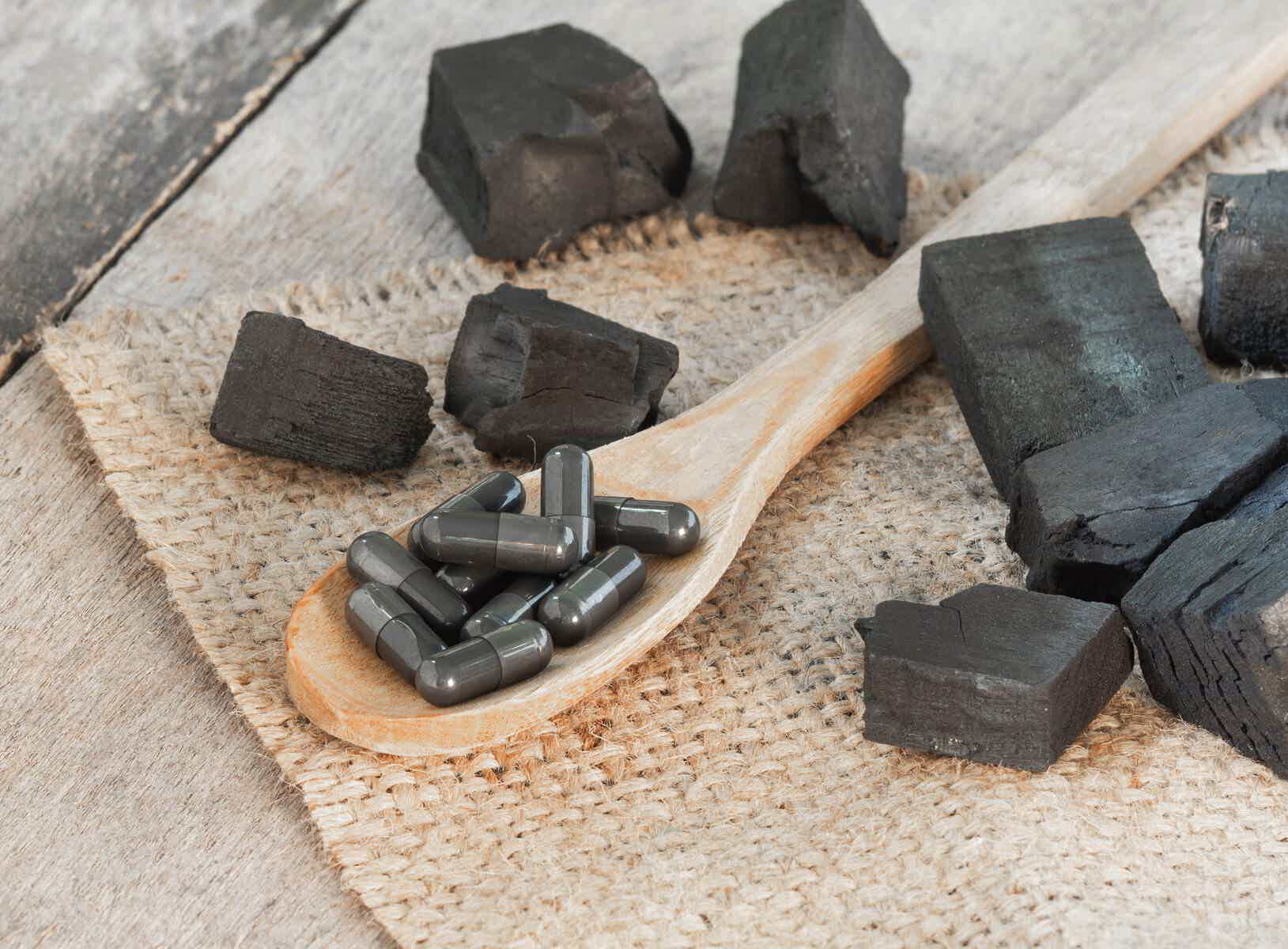
Take activated charcoal 2+ hours away from medications and supplements—it can interfere with absorption. Start with low doses to avoid constipation. Available as capsules, tablets, or powder. Drink plenty of water. Consult Scottsdale naturopathic doctors for proper dosing, timing, and integration with IBS-D dietary management.
What are the side effects of activated charcoal for IBS?
The main side effect for activated charcoal (for IBS-D) is constipation if taken excessively or without adequate hydration. Activated charcoal binds medications, vitamins, and nutrients, reducing their effectiveness. May cause black stools (harmless). Not recommended for long-term daily use without medical supervision. Short-term or intermittent use for IBS-D flares is generally safe.
The "Bottom Line" on Activated Charcoal for IBS-D
Activated charcoal is a binder and detoxifier. It can be a great natural remedy for treating patients with food or environmental poisoning and there are already promising results from medical research in using it for IBS-diarrhea to slow motility and help reset the microbiome by eliminating toxins.
Since it has very few side effects, activated charcoal can be a good option when included in a holistic treatment plan as prescribed by a naturopath.
Learn more about other natural treatments for IBS-D from Dr. Wool:

About the Author
Dr. Dan Wool, NMD
Dr. Dan Wool is a naturopathic doctor who specializes in gastroenterology, hormones and men's health in Scottsdale, Arizona. Set up a free 15-minute discovery call with Dr. Wool today!
References:
[1] Helen Senderovich & Megan J. Vierhout, Is there a role for charcoal in palliative diarrhea management? Pages 1253-1259 | Received 26 Jul 2017, Accepted 08 Dec 2017, Published online: 10 Jan 2018, https://www.tandfonline.com/doi/abs/10.1080/03007995.2017.1416345
[2] Wolf D Hübner 1, Ewald H Moser, Charcoal tablets in the treatment of patients with irritable bowel syndrome, 2002 Sep-Oct;19(5):245-52. doi: 10.1007/BF02850364, https://pubmed.ncbi.nlm.nih.gov/12539884/
[3] Mark Pimentel, The Treatment of Patients With Irritable Bowel Syndrome, Review of the Latest Data From the 2010 DDW Meeting, PMCID: PMC2933753 PMID: 20827361, https://pmc.ncbi.nlm.nih.gov/articles/PMC2933753/
Related Posts

Breaking Free from IBS-D: A Naturopath’s Guide to Soothing Your Gut
IBS-D causes diarrhea, pain, and bloating. Learn diagnosis steps, diet changes, natural remedies, medications, and when to seek help for lasting relief.

How Soil-Based Probiotics Can Improve IBS and Your Gut Health
Soil-based probiotics can enhance gut health and be part of overall wellness by promoting beneficial bacteria, improving digestion and boosting immunity.

Is the Nerva App Good for IBS-D? Thoughts on gut-directed hypnotherapy
Discover how the Nerva app uses gut-directed hypnotherapy to manage IBS-D. Learn about effectiveness, research findings & integration with traditional care.