
When Should You Get a Colonoscopy?
Medically reviewed by Dr. Dan Wool, NMD
Arizona-licensed Naturopathic Physician and Gastroenterology Specialist
Updated: May 7, 2026
Quick Summary:
- Most adults at average risk should get their first colonoscopy at age 45. Earlier screening is recommended for those with a family history of colorectal cancer or certain genetic conditions.
- Colonoscopy can both detect and prevent colorectal cancer by allowing doctors to find and remove precancerous polyps during the same procedure.
- If results are normal, most people only need a repeat colonoscopy every 10 years. Higher-risk individuals may need one every 1 to 5 years depending on findings.
- - Alternatives like stool DNA tests and CT colonography exist, but colonoscopy remains the gold standard because it is both diagnostic and therapeutic in one step.
Overview
Colorectal cancer is one of the most common and most preventable cancers in the United States. The key word is preventable.
Unlike many cancers that can only be found after they develop, colorectal cancer often starts as a small, benign, painless growth called a polyp.
A colonoscopy lets a doctor find those polyps and remove them before they ever become cancerous. But many people put off the procedure because they are unsure when to go, what to expect, or whether they really need one.
This guide aims to answer these questions in plain language so you can make a confident, informed decision about your gut health.
What Is a Colonoscopy?
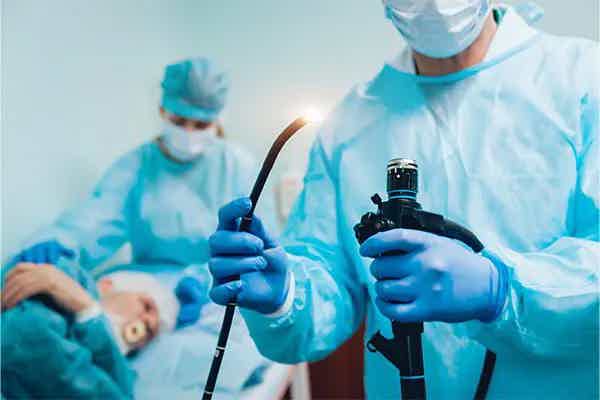
A colonoscopy is a procedure in which a gastroenterologist uses a long, flexible tube with a small camera on the end — called a colonoscope — to examine the inner lining of your colon and rectum. The tube is gently inserted through the rectum while you are sedated, so you are comfortable throughout the process.
The doctor can see the entire large intestine on a screen in real time. If any polyps or abnormal tissue are found, they can often be removed right then and there.
Tissue samples (biopsies) can also be collected for laboratory analysis. The entire procedure typically takes 30 to 60 minutes, though the preparation the day before is what most patients find most demanding.
Benefits of Colonoscopy
The most significant benefit of a colonoscopy is that it can prevent cancer, not just detect it. By removing precancerous polyps during the procedure, your doctor stops cancer before it starts. This is what sets colonoscopy apart from most other screening tools — it is both diagnostic and therapeutic in a single visit.
Additional benefits include early detection of colorectal cancer when it is most treatable, identification of inflammatory bowel disease (IBD) such as Crohn's disease or ulcerative colitis, diagnosis of the source of unexplained rectal bleeding, evaluation of chronic diarrhea or constipation with no clear cause, and detection of iron-deficiency anemia related to slow gastrointestinal bleeding.
Because most health insurers cover screening colonoscopies for average-risk adults starting at age 45, the financial barrier has also been significantly reduced in recent years.
Important Considerations, Including Contraindications
Colonoscopy is a safe procedure for most people, but it is not right for everyone in every situation. You should discuss your personal health history with your doctor before scheduling one.
- Absolute contraindications — situations where colonoscopy should not be performed — include complete bowel obstruction, fulminant colitis (a severe flare of inflammatory bowel disease), acute diverticulitis, and recent colorectal surgery with fresh anastomosis (a surgically joined section of bowel). Performing a colonoscopy in these situations carries too high a risk of perforation or serious injury.
- Relative contraindications — situations where the procedure requires extra caution and individualized evaluation — include recent heart attack, acute kidney failure, decompensated liver disease, active blood clotting disorders, and hemodynamic instability (unstable blood pressure or shock). Patients in these circumstances may need to delay the procedure until their condition stabilizes.
- Pregnancy is another factor requiring careful consideration. While urgent diagnostic colonoscopy has been performed safely during pregnancy, elective screening should generally be postponed until after delivery.
- Elderly patients also deserve special consideration. While screening is generally recommended through age 75, the decision for adults between 76 and 85 should be made on an individual basis, weighing the patient's overall health, life expectancy, prior screening history, and personal preferences. Routine screening is typically not recommended for adults over age 85, due to high risk of injury from the procedure, usually colon perforation.
What Research Says About Colonoscopy for Gut Health
The evidence supporting colonoscopy as a colorectal cancer screening tool is strong.
- Significant risk reduction. A large community-based study published in Gut (2018) by Doubeni et al. found that screening colonoscopy significantly reduced the risk of death from both right-sided and left-sided colon cancers, underscoring its value across the entire colon. [1]
- Every 10 years after age 45. A systematic review published in the Romanian Journal of Internal Medicine (2024) confirmed that current screening guidelines for average-risk individuals support colonoscopy every 10 years starting at age 45, while higher-risk groups benefit from more frequent intervals. [2]
- Low event risk. Research on colonoscopy safety published in CMAJ Open (2021) reviewed over 23,000 colonoscopies and found that serious adverse events were uncommon, with perforation rates well under 0.1% and bleeding events similarly rare — reinforcing that the benefits of screening outweigh the risks for most eligible patients. [3]
- Bowel prep critical. The NCBI StatPearls database also confirms that inadequate bowel preparation significantly increases the risk of missed lesions and should be taken seriously when preparing for the procedure. [4]
Taken together, the research paints a clear picture: colonoscopy is one of the most effective preventive tools available for protecting long-term gut health and reducing colorectal cancer mortality.
What to Expect with a Colonoscopy
- Day before. The day before your colonoscopy is the most demanding part. You will follow a clear-liquid diet and drink a bowel preparation solution — typically a large-volume laxative — to completely empty the colon. This is essential because the doctor needs a clear view. Inadequate prep can mean missed polyps or even a rescheduled procedure.
- Day of. On the day of the procedure, you will change into a hospital gown and an IV will be placed for sedation. Most patients receive moderate sedation or monitored anesthesia care (MAC), meaning you will be relaxed or lightly asleep during the procedure. You will not feel pain.
- Afterward. After the colonoscopy, you will spend 30 to 60 minutes in a recovery area while the sedation wears off. You will need a driver home — you cannot drive yourself. Mild bloating or cramping is common for a few hours afterward. Most people resume normal eating and activity the same day or the next morning. Your doctor will typically share results with you before you leave or shortly after.
If polyps are removed or biopsies are taken, you may receive those pathology results within a week or two.
Alternatives to Colonoscopy
While colonoscopy is considered the gold standard for colorectal cancer screening, it is not the only option. Several alternatives are available for people who are unable or unwilling to undergo colonoscopy:
- Fecal Immunochemical Test (FIT): A simple at-home stool test that detects hidden blood in the stool. Performed annually, it is non-invasive and requires no bowel prep. A positive result requires follow-up colonoscopy.
- Stool DNA Test (Cologuard): Tests stool for both blood and abnormal DNA markers linked to colorectal cancer. Performed every 1 to 3 years for average-risk adults. Also requires follow-up colonoscopy if positive.
- CT Colonography (Virtual Colonoscopy): Uses X-ray imaging to create a detailed picture of the colon. Still requires bowel preparation. If polyps are found, a standard colonoscopy is needed to remove them.
- Flexible Sigmoidoscopy: Examines only the lower portion of the colon. Less comprehensive than colonoscopy and typically done every 5 years.
The key limitation of all alternatives is that they are diagnostic only — they cannot remove polyps. If any of these tests return an abnormal result, a full colonoscopy will still be required. For high-risk individuals, colonoscopy is generally the preferred option from the start.
The Bottom Line on Colonoscopy
Colonoscopy is one of the most powerful tools available for protecting your long-term health. It does not simply screen for cancer — it prevents it. For most adults at average risk, the right time to start is age 45. If you have a family history of colorectal cancer, inflammatory bowel disease, or certain genetic syndromes, you may need to start earlier and screen more frequently. If you have symptoms like rectal bleeding, unexplained weight loss, or persistent changes in bowel habits, do not wait for a scheduled screening — speak with your doctor right away.
The procedure itself is safe, well-tolerated, and covered by most insurance plans. The preparation is inconvenient, but the peace of mind — and the cancer prevention — is well worth it. Do not put it off.
Frequently Asked Questions about Colonoscopies
At what age should you get your first colonoscopy?
Quick Answer: Most adults at average risk should get their first colonoscopy at age 45, per current U.S. guidelines.
Full Answer: In 2021, the U.S. Preventive Services Task Force updated its recommendation, lowering the starting age for colorectal cancer screening from 50 to 45 for average-risk adults. The American Cancer Society had already made this change in 2018. If you have a family history of colorectal cancer or polyps, a personal history of inflammatory bowel disease, or a genetic condition like Lynch syndrome or familial adenomatous polyposis (FAP), you may need to begin screening earlier — sometimes in your 30s or even younger. Always consult a physician to determine the right starting age for your individual risk profile.
How often do you need a colonoscopy after your first one?
Quick Answer: If no polyps are found and you are at average risk, you typically only need a colonoscopy every 10 years.
Full Answer: The frequency of follow-up colonoscopies depends heavily on what is found during your initial procedure. A completely normal result in an average-risk adult allows for a 10-year interval before the next screening. However, if polyps are found, the timeline shortens. Small, benign hyperplastic polyps may still allow a 10-year repeat interval, while adenomatous polyps or those with features suggesting a higher risk of becoming cancerous may prompt a follow-up in 3 to 5 years. Patients with Lynch syndrome may need screening every 1 to 2 years. Your gastroenterologist will give you a personalized recommendation based on your pathology results.
Can you have a colonoscopy if you are on blood thinners?
Quick Answer: It depends. Most blood thinners need to be paused before the procedure, but you should never stop them without your doctor's guidance.
Full Answer: Blood-thinning medications — including warfarin, aspirin, clopidogrel, and newer anticoagulants like apixaban or rivaroxaban — increase the risk of bleeding during and after colonoscopy, especially if polyps are removed. For routine screening colonoscopies where no polyp removal is expected, some blood thinners may be continued. For therapeutic colonoscopy where polypectomy is likely, most anticoagulants need to be temporarily held. Your prescribing physician and gastroenterologist should communicate to create a safe plan. Never discontinue blood thinners on your own — doing so without guidance can carry its own serious risks.
What happens if a polyp is found during a colonoscopy?
Quick Answer: Most polyps are removed right away during the procedure and sent to a lab to check whether they are benign or precancerous.
Full Answer: When a polyp is identified, the gastroenterologist typically removes it immediately in a process called a polypectomy — a major advantage of colonoscopy over other screening methods. The removed tissue is sent to a pathology lab for analysis. Results usually come back within one to two weeks. The nature of the polyp — its size, type, and number — will guide your doctor's recommendation for follow-up. Small hyperplastic polyps carry very little cancer risk, while larger adenomatous polyps or those with high-grade dysplasia require closer surveillance. Finding and removing polyps early is precisely why colonoscopy is so effective at preventing colorectal cancer.
Is a colonoscopy painful?
Quick Answer: Most patients feel little to no discomfort during the procedure because sedation is used. The prep the day before is often the most uncomfortable part.
Full Answer: During a colonoscopy, you receive intravenous sedation — often a combination of a sedative and a pain reliever — that keeps you relaxed and largely unaware of the procedure. Many patients have no memory of the colonoscopy at all. Mild cramping or bloating may occur afterward as residual air passes from the colon. The bowel preparation the evening before — drinking a large volume of laxative solution — is what most patients describe as the most unpleasant part. Some newer, lower-volume prep formulas have made this step more tolerable. If you are anxious about pain, discuss your sedation options with your physician beforehand.
Does colorectal cancer run in families? When should high-risk individuals start screening?
Quick Answer: Yes, a strong family history significantly raises your risk. High-risk individuals may need to start screening as early as age 40 or even younger.
Full Answer: Having a first-degree relative (parent, sibling, or child) diagnosed with colorectal cancer or advanced polyps does increase your personal risk. Current guidelines recommend that individuals with one first-degree relative diagnosed before age 60, or two first-degree relatives diagnosed at any age, begin colonoscopy screening 10 years before the youngest affected relative's diagnosis age, or at age 40 — whichever comes first. Those with hereditary syndromes like Lynch syndrome may need annual colonoscopies beginning in their mid-20s. Genetic counseling may also be warranted. Speak with your gastroenterologist to develop a personalized screening plan if colorectal cancer runs in your family.
What are the alternatives to colonoscopy for colon cancer screening?
Quick Answer: Alternatives include stool-based tests (FIT, Cologuard), CT colonography, and flexible sigmoidoscopy — but any abnormal result still requires a follow-up colonoscopy.
Full Answer: For adults who cannot or prefer not to undergo colonoscopy, several alternatives are guideline-approved for average-risk screening. Annual fecal immunochemical testing (FIT) detects blood in the stool with no prep required. Stool DNA testing (Cologuard) detects both blood and abnormal DNA markers and is repeated every 1 to 3 years. CT colonography (virtual colonoscopy) offers detailed imaging of the colon but still requires bowel preparation and does not allow polyp removal. Flexible sigmoidoscopy examines only the lower colon. The critical limitation of all these options is that a positive finding still requires diagnostic colonoscopy. For high-risk patients, colonoscopy is generally preferred from the outset.
Are You Ready to Fix Your Gut?
Struggling with your gut health? Dr. Dan Wool offers personalized, natural solutions at his Scottsdale naturopathic practice. Book a free 15-minute discovery call today and take the first step toward lasting digestive relief.
Disclaimer:
For educational purposes only — not medical advice, diagnosis, treatment or advertising for consumer purchase. Dr. Dan Wool and affiliates make no effectiveness claims about supplements, hormones, peptides or other therapeutics beyond cited clinical evidence and regulatory approval. Always consult a qualified healthcare provider before starting, changing, or stopping any medical or wellness program.

About the Author
Dr. Dan Wool, NMD
Dr. Dan Wool is a naturopathic doctor who specializes in gastroenterology, hormones and men's health in Scottsdale, Arizona. Set up a free 15-minute discovery call with Dr. Wool today!
References:
[1] Doubeni CA, Corley DA, Quinn VP, et al. Effectiveness of screening colonoscopy in reducing the risk of death from right and left colon cancer: a large community-based study. Gut. 2018;67(2):291-298. https://pubmed.ncbi.nlm.nih.gov/27733426/
[2] Brezina S, et al. Colorectal cancer screening guidelines for average-risk and high-risk individuals: a systematic review. Rom J Intern Med. 2024;62(2):101-123. https://pubmed.ncbi.nlm.nih.gov/38153878/
[3] Tomaszewski M, Sanders D, Enns R, et al. Risks associated with colonoscopy in a population-based colon screening program: an observational cohort study. CMAJ Open. 2021;9(4):E940-E947. https://pubmed.ncbi.nlm.nih.gov/34642256/
[4] Maywald R, et al. Colonoscopy. In: StatPearls [Internet]. Treasure Island (FL): StatPearls Publishing. Updated September 2025. https://www.ncbi.nlm.nih.gov/books/NBK559274/
Related Posts

Peppermint Oil for Gut Health: Does it Help with IBS, Bloating?
Peppermint oil may ease IBS cramps, bloating, and gas, but enteric-coated capsules and reflux risk matter if you have GERD or gastritis.

What Is Post-Antibiotic Dysbiosis and Post-Infectious Diarrhea? What to Do When It Persists
Why diarrhea can linger after antibiotics or infection, and the evidence-based ways to help restore the gut microbiome.

What Do Fried Foods, Seed Oils, and Trans Fats Do to the Gut?
Fried foods, seed oils, and trans fats can damage the gut lining, disrupt the microbiome, and fuel inflammation. Here’s what the research shows.