
Does Sodium Bicarbonate (Baking Soda) Help with Digestion or Acid Reflux?
Medically reviewed by Dr. Dan Wool, NMD
Arizona-licensed Naturopathic Physician and Gastroenterology Specialist
Updated: January 30, 2026
Summary:
- What is Sodium Bicarbonate and How It Works: Sodium bicarbonate (baking soda) is naturally occurring salt composed of sodium and bicarbonate ions that neutralizes stomach acid when mixed with water reducing acidity and calming heartburn burning sensation. Works similarly to natural bicarbonate body produces after eating protecting digestive system. FDA-approved for short-term use as over-the-counter antacid providing fast relief for acid reflux and indigestion flare-ups. Multi-purpose benefits include freshening breath, whitening teeth, improving athletic performance, supporting kidney function, and serving as gentle household cleaner.
- Safe Sodium Bicarbonate Usage Guidelines: Common dose is ½ teaspoon mixed in 4 ounces water taken 1-2 hours after eating when heartburn symptoms appear. Use only short-term occasionally—frequent use causes bloating or acid balance changes. Space medications at least 2 hours before or after baking soda as it affects drug absorption. NOT suitable for individuals with high blood pressure, kidney problems, or sodium restrictions. Avoid giving children under 12 or using during pregnancy without healthcare provider approval.
- Sodium Bicarbonate Side Effects and Risks: Overuse upsets body's natural balance causing muscle cramps, confusion, stomach damage, or kidney strain in rare cases. Common side effects include bloating, gas, nausea, possible dehydration, and kidney strain with frequent use. Provides fast relief within minutes but effects don't last long and won't prevent future acid reflux episodes. Not long-term solution or treatment substitute requiring broader holistic digestive health approach.
- Natural Digestive Relief Alternatives: Apple cider vinegar increases stomach acid in low acidity cases. Digestive enzymes support food breakdown and nutrient absorption. Slippery elm and marshmallow root soothe and protect digestive lining. Aloe vera juice reduces inflammation supporting gut healing. Lifestyle modifications include eating smaller meals, avoiding late evening eating, eliminating trigger foods, and elevating head while sleeping for comprehensive acid reflux management with healthcare provider consultation.
Overview
Sodium bicarbonate, commonly known as baking soda, is a household staple with a surprising range of uses, from baking to cleaning to health remedies. One of its most popular medicinal uses is for digestive relief, particularly for acid reflux and indigestion. But do we really know how effective it is before we start using it to relieve symptoms? Let’s explore the science behind the use of sodium bicarbonate for digestive health, alongside the benefits, risks, and alternatives.
What Is Sodium Bicarbonate?
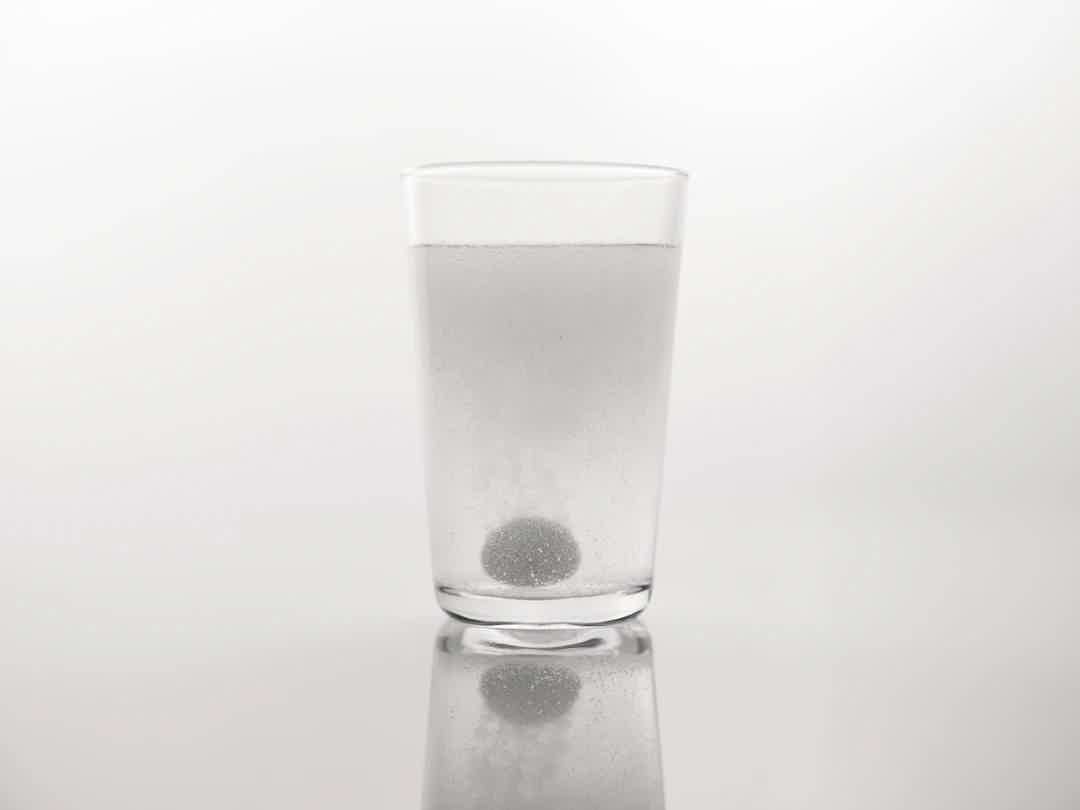
Sodium bicarbonate, also known as baking soda, is a common ingredient found in most kitchens that can help settle your stomach. It is a naturally occurring salt composed of sodium and bicarbonate ions. When you mix it with water, it becomes less acidic and can calm the burning feeling of heartburn by neutralizing stomach acid. That’s why it’s often used as a quick fix for indigestion [1].
Advantages of Sodium Bicarbonate (Baking Soda) for Gut Health
- Quick relief: Baking soda works fast to calm heartburn and acid reflux by neutralizing stomach acid. Many people find it helpful when symptoms flare up suddenly, and they don’t have any other remedies at hand.
- Easy to find and affordable: It’s a common item in most kitchens and costs next to nothing, which makes it a convenient option for occasional digestive discomfort.
- Recognized by health authorities: Over-the-counter products with sodium bicarbonate are approved by the FDA for short-term use as antacids, meaning they’ve been tested for safety and effectiveness [2].
- Multi-purpose benefits: Beyond digestion, baking soda is used for freshening breath, whitening teeth, and even improving physical performance in athletes. It’s also used to support kidney function in certain medical conditions.
- Gentle household cleaner: Its ability to break down grime and neutralize odors makes it a favorite for natural cleaning solutions, safe for surfaces, and easy on the environment.
How Baking Soda Works for Digestion and Acid Reflux
Baking soda helps settle your stomach by neutralizing excess acid. When you mix it with water and drink it, it creates a more balanced environment in your stomach, which can ease the burning sensation caused by heartburn. It works similarly to the natural bicarbonate your body makes after eating, which helps protect your digestive system. That’s why many people use it as a quick fix when acid reflux flares up unexpectedly [3].
What You Should Know Before Using Sodium Bicarbonate for Indigestion
Before taking baking soda to aid with digestion or alleviate symptoms of acid reflux, it’s important to understand how to use it safely and effectively. While it can offer quick relief, it’s not meant to be a long-term solution. Here are a few key things to keep in mind:
- Dosage: A common dose is about ½ teaspoon mixed into 4 ounces of water. It’s usually taken 1 to 2 hours after eating, when symptoms like heartburn tend to show up.
- Use it only in the short term: Baking soda is best used occasionally. Using it too often can lead to side effects like bloating or changes in your body’s acid balance.
- Timing is important: If you’re taking other medications, be sure to space them out. Baking soda can affect how your body absorbs certain drugs, so it’s best to wait at least 2 hours before or after taking other medicines [4].
Sodium Bicarbonate (Baking Soda): Important Considerations Before Starting
While baking soda can be helpful for occasional digestive issues, it’s not right for everyone, and it also shouldn’t become regular or be used as a substitute for treatment in the long term. Before using it, consider the following:
- Existing health conditions: If you have high blood pressure, kidney problems, or need to limit your sodium intake, baking soda might not be safe for you
- Children and pregnancy: It’s best to avoid giving baking soda to children under 12 or using it during pregnancy unless a healthcare provider says it’s okay.
- Risks of overuse: Taking too much baking soda can upset your body’s natural balance. In rare cases, it can cause serious problems like muscle cramps, confusion, or even damage to your stomach or kidneys [5].
What to Expect When You Take Sodium Bicarbonate
If you decide to try baking soda for heartburn or indigestion, here’s what you might notice:
- Fast relief: Many people feel better within minutes of taking it, especially when symptoms are mild.
- Short-term help: The effects don’t last long, and taking baking soda won’t stop future episodes of acid reflux.
- Possible side effects: Some people experience bloating, gas, or nausea. In rare cases, it can lead to dehydration or strain on the kidneys, especially if used too often.
Alternative Approaches to GI Relief
If sodium bicarbonate isn’t suitable or effective, consider these other naturopathic options:
- Apple cider vinegar: May help increase stomach acid in cases of low acidity.
- Digestive enzymes: Support food breakdown and nutrient absorption.
- Slippery elm and marshmallow root: Soothe and protect the digestive lining.
- Aloe vera juice: Reduces inflammation and supports gut healing.
- Lifestyle changes: Eat smaller meals and don’t eat too late in the evening, avoid trigger foods, and elevate your head while sleeping.
Frequently Asked Questions About Baking Soda (Sodium Bicarbonate) and GI Relief
1. Is baking soda safe for acid reflux and heartburn?
Baking soda can provide quick, short-term relief for occasional heartburn by neutralizing stomach acid. However, it's not safe for everyone or for long-term use. People with high blood pressure, kidney problems, or sodium restrictions should avoid it. The typical dose is a half (1/2) teaspoon mixed in 4 ounces of water, taken 1-2 hours after eating. Overuse can cause serious side effects like bloating, electrolyte imbalances, and kidney strain. Always consult a naturopathic physician before using it regularly.
2. How quickly does baking soda work for indigestion?
Baking soda works remarkably fast; many people feel relief within minutes of drinking it mixed with water. It quickly neutralizes excess stomach acid, creating a more balanced digestive environment that eases the burning sensation of heartburn. However, the relief is temporary and doesn't prevent future episodes. It's best used for occasional, sudden flare-ups rather than as a daily solution for chronic digestive issues.
3. Can I use sodium bicarbonate (baking soda) for acid reflux every day?
No, baking soda should not be used daily for heartburn/acid reflux/GERD. It should be used for occasional, short-term relief only. Regular use can disrupt your body's natural acid-base balance, leading to serious complications like electrolyte imbalances, kidney damage, metabolic alkalosis, and stomach issues. Daily heartburn usually indicates an underlying digestive problem that needs proper diagnosis and treatment. A naturopathic physician can help identify the root cause and develop a comprehensive treatment plan using dietary changes, herbal remedies, and lifestyle modifications for long-term digestive health.
The Bottom Line on Sodium Bicarbonate / Baking Soda
Sodium bicarbonate can be a helpful short-term remedy for acid reflux and indigestion, especially when used mindfully. However, it’s not a cure and should be part of a broader, holistic approach to digestive health. Always consult a healthcare provider before starting any new treatment, especially if you have underlying health conditions.

About the Author
Dr. Dan Wool, NMD
Dr. Dan Wool is a naturopathic doctor who specializes in gastroenterology, hormones and men's health in Scottsdale, Arizona. Set up a free 15-minute discovery call with Dr. Wool today!
References:
Related Posts

What you need to know about a Hiatal Hernia
Understand hiatal hernia symptoms, practical relief strategies, and warning signs that need urgent care.

Bismuth's Role in Gut Health and Biofilm Disruption
Bismuth

Is slippery elm good for treating heartburn?
Learn whether slippery elm may ease heartburn and GERD, how it works as a protective coating, and what to know before trying it.