
Are Fermented Foods Good for the Gut? A Comprehensive Guide for Gut Health
Summary:
- What Are Fermented Foods and How Do They Work?: Fermentation is a natural process where microorganisms break down sugars in foods like yogurt, kimchi, sauerkraut, and kombucha, preserving them while enhancing their nutritional value with beneficial probiotics.
- Fermented Foods Benefits for Gut Health and Digestion: These foods improve digestion by breaking down complex nutrients, help restore gut flora after antibiotic use, and support lactose digestion in sensitive individuals through probiotic-rich live cultures.
- How Fermented Foods Support Your Microbiome: Regular consumption increases gut bacteria diversity, which is linked to stronger immune function, reduced inflammation, better mental health, and a more resilient digestive system.
- Best Fermented Foods for Probiotics: Choose yogurt and kefir with live cultures, naturally fermented kimchi and sauerkraut, miso and tempeh for plant-based protein, low-sugar kombucha, and salt-brined (not vinegar) pickles for maximum probiotic benefits.
- Fermented Foods: What to Know Before Starting: Not all fermented products contain live cultures—look for "unpasteurized" or "live cultures" labels, introduce them gradually to avoid bloating, and consult a healthcare provider if you have digestive disorders or immune conditions.
What Are Fermented Foods?
Fermentation is a natural process where microorganisms like bacteria and yeast break down sugars and starches in different types of food. Fermentation occurs in plant and animal-based foods, and it not only preserves the food but also enhances its nutritional profile.
Common fermented foods include:
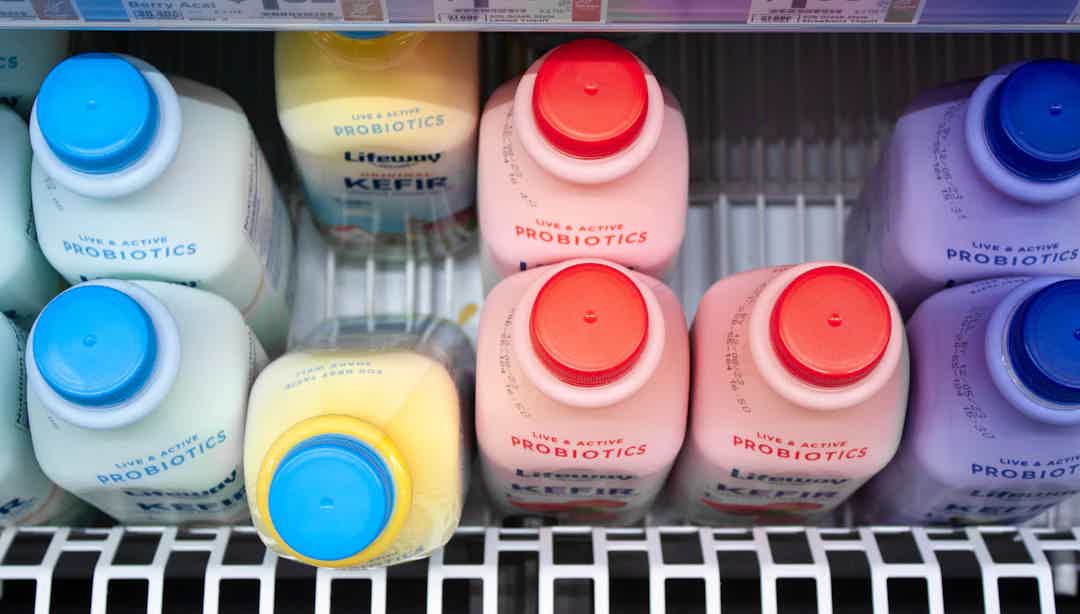
- Yogurt and kefir – dairy products rich in live cultures
- Sauerkraut and kimchi – fermented cabbage with a tangy kick
- Miso and tempeh – soy-based staples in Asian cuisine
- Kombucha – a fermented tea with a fizzy, tart flavor
- Pickles – cucumbers or other veggies brined in saltwater, not vinegar
Understanding Probiotics: The Gut’s Tiny Allies
The key health-promoting component in fermented foods is probiotics. These are live microorganisms that, when consumed in adequate amounts, can have huge health benefits by becoming part of your gut microbiome [1].
Your gut is home to trillions of bacteria, many of which play essential roles in digestion, immunity, and even mood regulation. Probiotics from fermented foods can help replenish, diversify, and support this microbial community, especially after distress caused by antibiotic use [2].
However, not all fermented foods contain probiotics. Some are pasteurized or made with vinegar, which kills or bypasses the live cultures. Always look for labels that say “live and active cultures” to ensure probiotic content [1].
Fermented Foods Support Microbiome Diversity
A diverse gut microbiome is essential not only for your good physical health, but it’s increasingly linked to good psychological health as well. Studies have linked microbial diversity to improved digestion, stronger immune function, reduced inflammation, and better mental health outcomes [3].
Fermented foods contribute to this diversity by introducing new strains of beneficial bacteria. According to the Cleveland Clinic, a varied diet rich in fermented foods and fiber supports a more resilient and balanced gut ecosystem.
Do Fermented Foods Improve Digestion?
One of the most immediate and observable benefits of fermented foods is improved digestion. Probiotics help break down complex carbohydrates and proteins, making nutrients more bioavailable and reducing digestive discomfort.
For example:
- 1Yogurt and kefir contain lactase-producing bacteria that help digest lactose, making them easier to tolerate for people with lactose sensitivity.
- Sauerkraut and kimchi are rich in enzymes that aid in breaking down plant fibers.
These foods can also help restore gut flora after antibiotic use (or use of other medications), which often wipes out both harmful and beneficial bacteria.
Fermented Foods and Gut Inflammation
Chronic inflammation in the gut is linked to conditions like irritable bowel syndrome (IBS), Crohn’s disease, and even metabolic disorders. The good news is that some naturally fermented foods contain bioactive compounds, such as short-chain fatty acids and peptides, that help regulate inflammatory responses.
While more research is needed, early findings suggest that regular consumption of fermented foods may help boost your immune system by modulating immune activity and reducing gut-related inflammation.
Common Fermented Foods and Their Benefits
Let’s take a closer look at some popular fermented foods and the benefits they offer for your gut health:
Yogurt and Kefir
- Rich in Lactobacillus and Bifidobacterium strains
- Help digest lactose and support immune health
- Plain, unsweetened varieties with “live and active cultures” on the label are best for you
Sauerkraut and Kimchi
- Fermented cabbage packed with probiotics and fiber
- Kimchi also contains garlic, ginger, and chili, which are all ingredients with anti-inflammatory properties
Miso and Tempeh
- Soy-based and high in protein
- Miso is a salty paste used in soups and sauces
- Tempeh is a firm, nutty cake great for stir-fries and grilling
Kombucha
- Fermented tea with a tangy, effervescent taste
- Contains probiotics and antioxidants
- Opt for low-sugar versions to avoid blood sugar spikes
Fermented Pickles
- Made by brining cucumbers in saltwater (not vinegar), i.e. so so-called natural fermentation
- Contain Lactobacillus strains that support gut health
Fermented Foods and Prebiotics: Important Considerations
While fermented foods can be beneficial, there are a few things to keep in mind when introducing them to your diet:
- Not All Fermented Foods Are Made Equal. Some products labeled as “fermented” may not contain live cultures at all. For example, pickles made with vinegar are not probiotic-rich. Always check the label for terms like “raw,” “unpasteurized,” or “contains live cultures” to make sure you’re buying a fermented food.
- Take it Slowly. If you’re new to fermented foods, introduce them gradually. Too much too soon can lead to bloating or gas as your gut adjusts to the new bacteria.
- Listen to Your Body. Everyone’s microbiome is unique. Some people thrive on kombucha, while others may find it too acidic. Pay attention to how your body responds and adjust accordingly. It’s recommended you have a food journal when you’re first introducing fermented foods.
- Consult a Professional. If you have digestive disorders, autoimmune conditions, or are immunocompromised, consult a healthcare provider or registered dietitian before making major dietary changes.
Frequently Asked Questions About Fermented Foods
1. How do fermented foods improve gut health?
Fermented foods are created when microorganisms like bacteria and yeast break down sugars and starches, preserving food while enhancing nutrition. Common examples include yogurt, kefir, sauerkraut, kimchi, miso, tempeh, kombucha and naturally fermented pickles. They contain probiotics—live beneficial microorganisms that support your gut microbiome by replenishing and diversifying gut bacteria. This enhances digestion, strengthens immune function, reduces inflammation and improves mental health. However, not all fermented foods contain probiotics; look for labels stating "live and active cultures" or "unpasteurized" to ensure probiotic content.
2. Which fermented foods are best for digestion and probiotics?
Best choices include plain, unsweetened yogurt and kefir with "live and active cultures" containing Lactobacillus and Bifidobacterium strains that help digest lactose, sauerkraut and kimchi (fermented cabbage packed with probiotics, fiber and anti-inflammatory ingredients like garlic and ginger), miso and tempeh (soy-based, high-protein options), low-sugar kombucha (fermented tea with probiotics and antioxidants) and naturally fermented pickles made with saltwater brine, not vinegar. Always choose raw, unpasteurized versions to ensure live cultures survive, as pasteurization kills beneficial bacteria.
3. Can fermented foods cause digestive problems or side effects?
Fermented foods are generally safe but introduce them gradually to avoid bloating or gas as your gut adjusts to new bacteria. Everyone's microbiome is unique—some people thrive on kombucha while others find it too acidic. Keep a food journal when first introducing fermented foods to track responses. If you have digestive disorders, autoimmune conditions, or are immunocompromised, consult a healthcare provider before making dietary changes. Start small, stay consistent, and pay attention to how your body responds to personalize your approach for optimal gut health benefits.
The Bottom Line on Fermented Foods for Gut Health
Fermented foods offer a natural, flavorful way to support gut health. While they’re not a cure-all, they can be a valuable part of a balanced, whole-foods-based diet, not to mention that they’re really tasty. By enhancing microbiome diversity, aiding digestion, and potentially reducing inflammation, these foods align well with both traditional wisdom and modern science.
As with any health strategy, personalization is key. Start small, stay consistent, and consider working with a professional to tailor your approach.

About the Author
Dr. Dan Wool, NMD
Dr. Dan Wool is a naturopathic doctor who specializes in gastroenterology, hormones and men's health in Scottsdale, Arizona. Set up a free 15-minute discovery call with Dr. Wool today!
References:
[1] Cleveland Clinic. (2023a). What are fermented foods?
https://health.clevelandclinic.org/what-are-fermented-foods/
[2] Cleveland Clinic. (2023b). Probiotics: What you need to know.
https://my.clevelandclinic.org/health/articles/14598-probiotics
Fix Your Gut, Solve Your Health
Dr. Wool's Gut Repair Plan starts with extended visits, specialty testing conventional workups rarely include, and a treatment plan built around root cause rather than symptom management. See if we're a fit → Book a 15-minute call with Dr. Wool. No cost, no obligation.
Get StartedDisclaimer: The information provided on this page is for educational purposes only and is not intended as medical advice, diagnosis, or treatment. Dr. Dan Wool nor his affiliates do not make claims about the effectiveness of supplements, peptides, hormones or other therapies outside of the contexts supported by cited clinical evidence and regulatory approval. Always consult a qualified healthcare provider before starting, changing, or stopping any medical or wellness program.
Related Posts

What Gut Dysbiosis Means and How to Test for It
Gut dysbiosis means your microbiome has shifted in a way that affects digestion and overall health. Learn the signs and how stool testing can help.

SIBO: Why It Keeps Coming Back After Treatment
SIBO often improves with treatment, then returns. Learn the common reasons for relapse and what needs to be addressed for lasting relief.

What IBS Actually Is and Why Standard Treatment Fails
IBS is more than a label for bloating and bowel changes. Learn what it actually means, why standard treatment often falls short, and what may help next.